


A numbers-matching 1968 Shelby GT350 Convertible recently sold for $142,800 including fees through ACC Auctions. Finished in Sunlit Gold with a Black interior, this Lot #7769 example features its original 302ci V8, a 4-speed manual transmission, a 9-inch rear end with 3.89:1 gears, SAAC Registry certification, and a Deluxe Marti Report—a combination that places it among the most desirable first-generation Shelby muscle cars on the market today.
The 1968 Shelby GT350 Convertible occupies rarefied air in the world of American muscle cars. Born from Carroll Shelby’s partnership with Ford, the GT350 transformed the Mustang from a sporty commuter into a genuine performance machine, and the convertible variant—introduced for the first time that model year—remains one of the scarcest body styles in the entire Shelby lineage.
This particular example, offered by a dealer out of Fenton, Missouri, checked nearly every box a serious collector looks for: a numbers-matching engine, factory-correct specifications, and the kind of paperwork trail that turns a nice driver into a documented piece of automotive history. Its $142,800 sale price offers a timely data point for anyone tracking the Shelby GT350 market—and a compelling case study in why provenance and originality continue to command a premium.
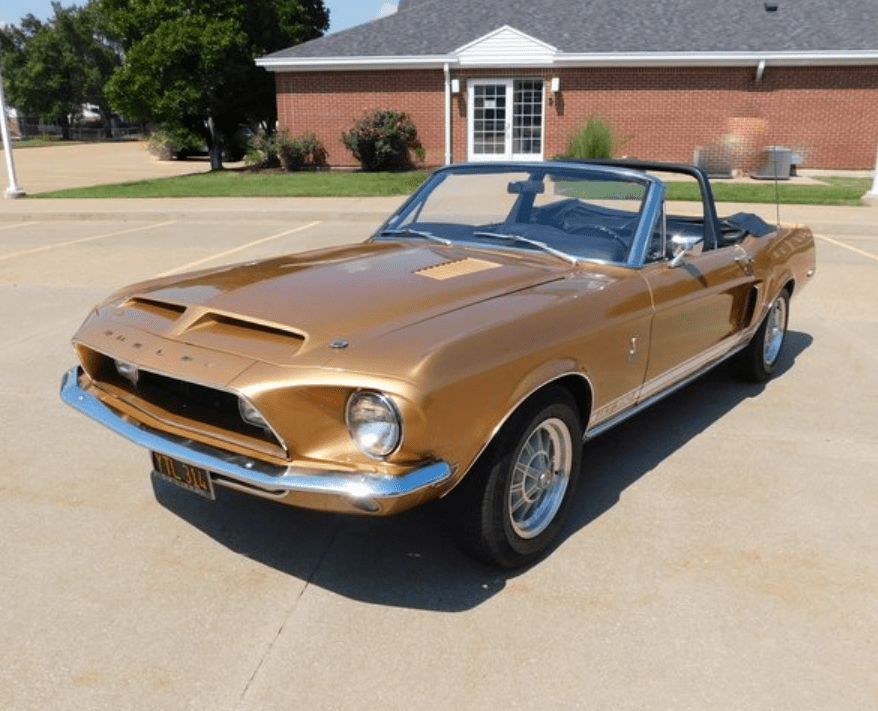
Carroll Shelby built the first GT350 in 1965 as a homologation special, engineering a car lean enough to compete in SCCA road racing while still being road-legal. Those early cars were raw, race-bred machines fitted with side-exit exhausts, fiberglass hoods, and suspension tuning that made no apologies for comfort.
By 1968, the GT350 had evolved. Shelby American handed production and assembly duties to A.O. Smith in Ionia, Michigan, and the cars took on more creature comforts without abandoning their performance DNA. The 1968 model year also marked a pivotal first: the introduction of the GT350 Convertible, a body style never offered during the nameplate’s earlier years.
That single fact drives much of this car’s collector appeal. Convertible production numbers for 1968 were dramatically lower than the fastback and notchback variants, making surviving, well-documented examples genuinely hard to find. For enthusiasts who view their collections as both passion projects and long-term investments, that scarcity is the foundation of lasting value.
Shelby’s broader impact on the American automotive industry is hard to overstate. His fusion of racing pedigree and street performance helped define the muscle car era, and the GT350 remains one of the clearest expressions of that philosophy—a car built by a racer, for drivers who wanted something more than a Mustang.
Specifications tell only part of the story with any classic muscle car—but on this 1968 GT350 Convertible, they tell a very good one.
Together, these elements describe a car that wasn’t simply restored to look the part—it retains the mechanical identity that serious collectors spend years searching for.
Documentation separates a story from a certainty, and this GT350 Convertible arrived with two of the most respected forms of verification in the Shelby community.
The car carries SAAC (Shelby American Automobile Club) Registry certification. The SAAC Registry is widely regarded as the definitive historical record for Shelby vehicles, cross-referencing production data, factory records, and ownership history to confirm a car’s authenticity. Inclusion in the registry isn’t a formality—it’s a vote of confidence from the organization most qualified to evaluate Shelby provenance.
This example also came with a Deluxe Marti Report, generated from Ford’s original production records. Marti Auto Works uses Ford’s build data to confirm exactly how a vehicle left the factory—its original color, options, and equipment—making it an essential tool for verifying that a car hasn’t been altered or misrepresented over the decades.
The VIN, 8T03J18514203117, ties these records directly to this specific vehicle, allowing buyers to trace its identity with confidence rather than relying on a seller’s word alone. For buyers evaluating any Shelby or Mustang at auction, this level of documentation should be treated as a baseline expectation, not a bonus.
A $142,800 result, including fees, reflects strong and sustained collector demand for documented, numbers-matching Shelby convertibles. Several factors converged to support that price:
Compared to GT350 fastbacks from the same model year, which typically see higher production numbers and more frequent auction appearances, convertible examples like this one tend to command a rarity premium—particularly when paired with the kind of documentation this car offers.
For collectors building a portfolio around pre-1980 American performance cars, the 1968 GT350 Convertible checks nearly every box: historical significance, body-style rarity, verifiable originality, and a direct link to Carroll Shelby’s racing legacy.
Investment considerations for buyers evaluating similar vehicles should include:
Numbers-matching examples with strong documentation have historically shown solid appreciation potential, particularly as fewer unrestored or unmodified cars remain available. For collectors drawn to convertible muscle cars, the 1968 GT350 represents a rare intersection of open-top driving enjoyment and documented investment-grade pedigree.
This $142,800 result adds another meaningful data point to a market that continues to reward originality and documentation over cosmetic restoration alone. As fewer numbers-matching, well-documented GT350 convertibles remain in private hands, values for comparable examples are likely to stay firm—particularly for cars carrying SAAC Registry and Marti Report verification.
For collectors considering a similar acquisition, the path forward starts with patience and diligence: seek out registry-verified examples, request full documentation before bidding, and compare recent sale results to calibrate expectations. A car like this doesn’t just add horsepower to a collection—it adds a verified chapter of American racing history.
Explore current listings in the Shelby GT350 category or browse upcoming muscle car auctions to see what’s coming to market next.
How much did this 1968 Shelby GT350 Convertible sell for?
The vehicle sold for $142,800 including fees through AllCollectorCars Auctions, listed as Lot #7769.
What makes a numbers-matching engine important in a classic Shelby?
A numbers-matching engine is the original powertrain the car left the factory with, verified against production records. It confirms the vehicle hasn’t had a replacement engine installed, which significantly affects both authenticity and value for serious collectors.
What is a SAAC Registry certification, and why does it matter?
SAAC Registry certification comes from the Shelby American Automobile Club, the leading authority on Shelby vehicle authentication. It cross-references production and ownership records to confirm a car’s history, making it one of the most trusted verification sources in the Shelby collector community.
What does a Deluxe Marti Report tell a buyer?
A Deluxe Marti Report uses Ford’s original factory production data to confirm how a specific vehicle was built, including its original color, engine, and equipment. It helps buyers verify that a car remains true to its factory specifications.
Are 1968 Shelby GT350 Convertibles rarer than the fastback models?
Yes. The convertible body style was introduced for the GT350 in 1968, and production numbers were considerably lower than the fastback variant that year, making surviving convertible examples harder to find today.


Website and Marketing by 


You must be logged in to post a comment.